FlemingClans.com

"Scotland's Fleming Clan: a Genealogical History" - coming in 2027!
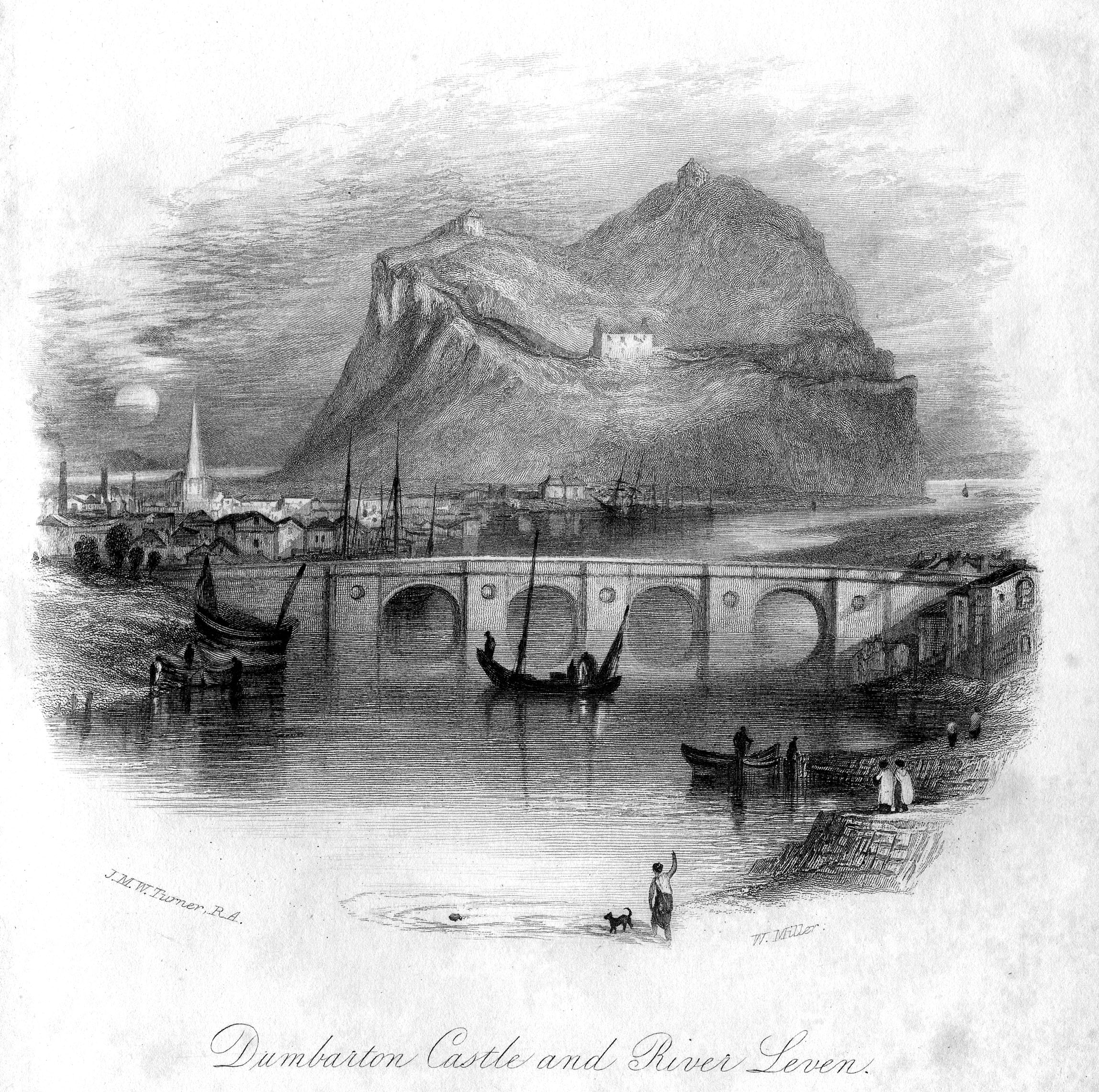 William Fleming, Constable of Dumbarton and Steward of Lennox
(c1242 - after 1314)
Basic information about this person: \click here\
William Fleming, son of Patrick Fleming, held Dumbarton Castle for the Scottish crown and later managed the earldom of Lennox. He lived through the English conquest of 1296 and the struggle for independence, and his sons founded the two branches that would lead the family: the Flemings of Fulwood and the Flemings of Biggar.
Constable of Dumbarton
William was born around 1242, a son of Patrick Fleming. By 1288 he was Constable of Dumbarton, in charge of the royal castle on Dumbarton Rock, which guarded the Clyde and was one of the most important fortresses in the west of Scotland.
Scotland was then without a king. Alexander III had died in 1286, and his heir, the young Maid of Norway, died in 1290. During the uncertain years that followed, Edward I of England took control of the Scottish royal castles. On 27 April 1292 William, recorded as Willelmo Flandrensi, paid Nicholas of Segrave, Edward’s keeper of the castle, sixteen pounds thirteen shillings and four pence from the rents of the burgh of Dumbarton.
The Ragman Rolls
After Edward I invaded Scotland in 1296, William, like his father Patrick, swore fealty to the English king at Berwick-upon-Tweed on 28 August 1296. Almost every Scottish landholder of standing was required to do the same.
Steward of Lennox
Between 1303 and 1333 William served as steward to Malcolm, Earl of Lennox, managing the earl’s estates and household. He witnessed the earl’s gift of an island in Loch Lomond called Elannabot. Earl Malcolm was one of Robert Bruce’s most loyal supporters, and William’s service placed the family firmly on the side of Bruce.
Reward from King Robert
After the victory at Bannockburn in 1314, King Robert I granted William Fleming of Dumbarton a lifetime exemption from paying the annual rent of ten merks due from his lands at Kirkmichael near Dumbarton. This was a mark of royal favour, almost certainly in recognition of loyal service during the war.
Family and legacy
William had two known sons. Simon Fleming of Tranent died young, leaving a son, Malcolm Fleming of Fulwood, who was close to his grandfather and followed him into the service of Dumbarton Castle. Malcolm went on to become the 1st Earl of Wigtown. William’s other son, Gilbert Fleming, married the heiress of Biggar and founded the Biggar line. In time the descendants of both sons led the Fleming clan.